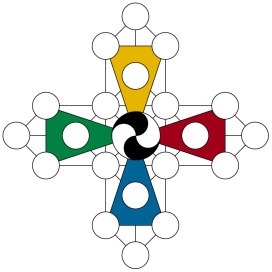
Numbering the days helps us organize them better, but naming the days adds a depth of meaning.
quotation from NOBA Time and Culture
“Many cultures use social activities to define their calendars rather than the other way around. The calendars of the Nuer people from the Upper Nile in the Sudan, for example, are based on the seasonal changes in their environment. They know that the month of kur is occurring because they are building their fishing dams and cattle camps. When they break camp and return to their villages, they know it must now be the month of dwat.”
“Most societies have some type of week, but it is not always seven days long. The Muysca of Columbia had a three-day week. The Incas of Peru had a 10-day week. Often the length of the week reflects cycles of activities, rather than the other way around. For many, the market is the main activity requiring group coordination. The Khasi people hold their markets every eighth day. Consequently, they have made their week eight days long and named the days of the week after the places where the main markets occur (Levine, 2005)” Continue reading Naming the Days Meaningfully

 Rethinking Time