Our common experience, across the globe, over time.
Time is such a nebulous concept, in no small part because so many of us have so much stake in all of the ways it takes form in our lives: schedules, anniversaries, history, evolution, prediction, etc. It is embedded in our languages, and is inseparable from our thoughts of space.
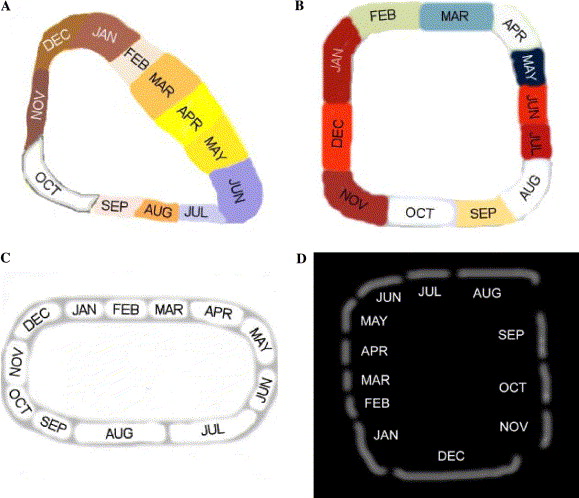
As with much of our abstracted experience, we use our experience of the body to inform our experience in our body: when we hear of antisocial behaviour it can be characterized as gross, disgusting, repulsive, etc. It is the same reaction as we would have to rotten or rancid food. We’ve taken an abstraction (idea of someone being a jerk) and mapped it onto a survival reaction.

The same is true of our sense of time.
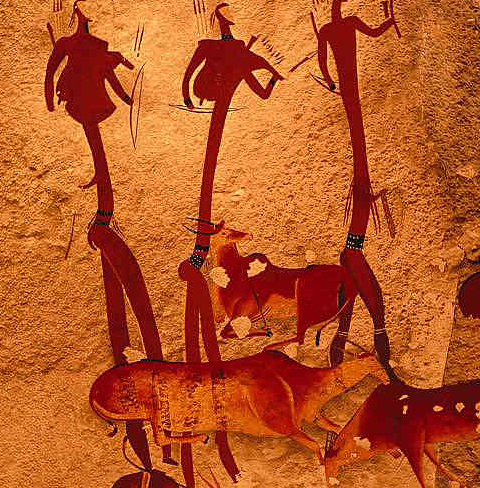
As hunter-gatherers, we walked and covered a lot of ground in search of sustenance. The meaning of this travel comes from survival: the location of food, medicine, materials, and when they are ready to be harvested – this includes animal migrations as well as sprouting, budding, flowering, fruiting, and seeding times of plants. This sense of ecological time was holistic, and intuitively tied to the Day, Lunar Month, Seasons, and the Year.
Flash forward to 100,000 years ago, when we developed a larynx. It would have opened up communicating between one another in increasingly sophisticated ways that the cognitive revolution resulted about 70,000 ago. At that point, our imaginative capacity increased, and our notion of the day, the moon, seasons and the year eventually diversified, morphed, evolved such that we now follow the vibrations of Caesium 133, the second, minute, hour, as well as the week, the month, the quarter, and the fiscal year.

Each language frames time differently. Quantum physics is more easily discussed in Inuktitut than English. What can we be said to have in common about our way of perceiving, experiencing time?

Regardless of whether one follows the Gregorian, the Islamic lunar calendar, the Persian solar calendar, or any number of solilunar and other calendars, the day, the phases of the Moon, and the cycles of the seasons and years are older than life on Earth. It’s not only something humans hold in common, but all living beings on Earth do.

If we consider the evolutionary tree to be an extension of our personal genealogical family tree, then all living species are our cousins going back to Grandmother Lua.
So the alternation of Night and Day, New Moon to Full, Winter to Summer Solstice, and back again, Year after Year, is embedded in every single cell, not just in our bodies, but encrusted on, in, and around the Earth.
I’ve found particular wisdom in the stories of the Hindu Goddess काली Kālī – Whose name means Darkness, Whose name means Time (also the Goddess of Destruction, Demon-Slayer, and the World’s Greatest Mom).

Therein lies our thinking on the subject.

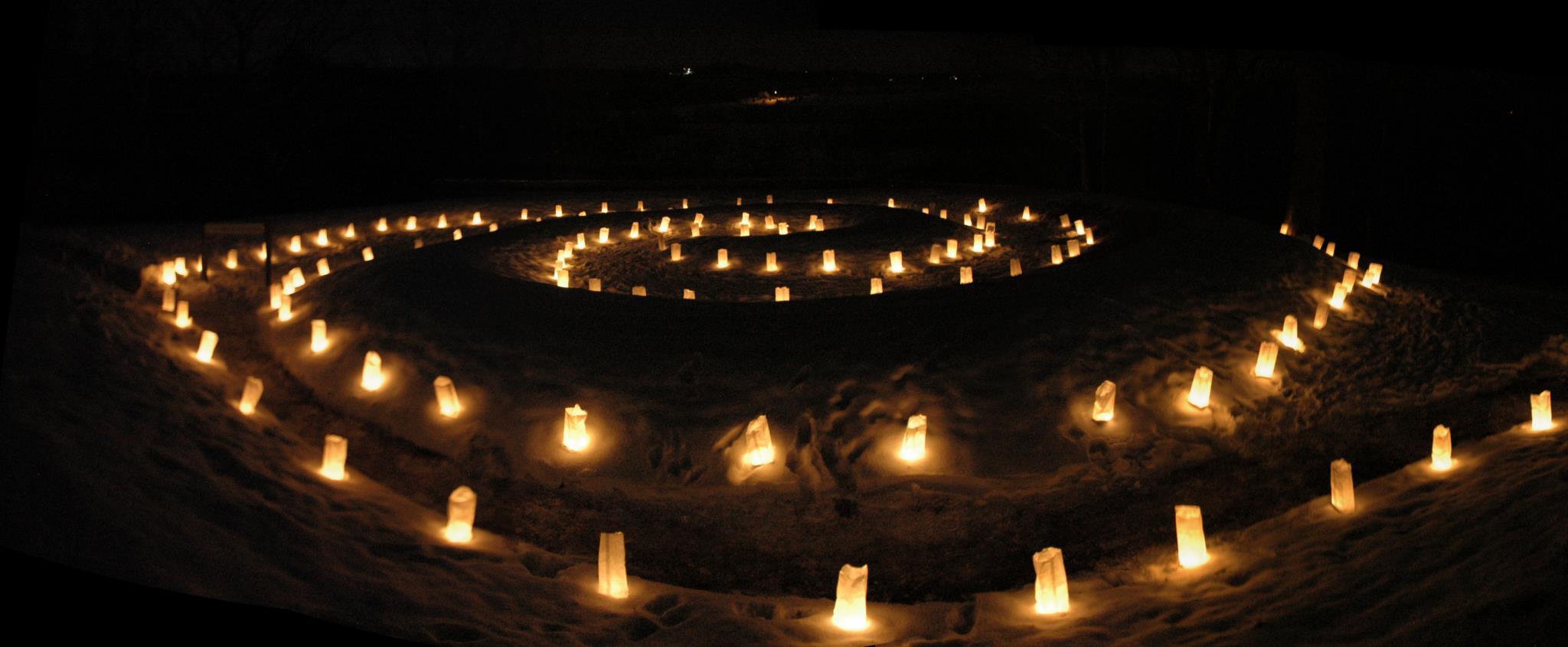

Quantum Loop Theory suggests that there are finite measures of physical phenomena, including the Planck Length (ℓP) and the speed of light (c), which are defined as:
ℓP = 1.616 229 (38) × 10−35 m
c = 299,792,458 m/s
Which gives us Plank time:
tP = 5.391 16(13) ×10−44 s
Scientific measure of the ultimate quanta of time and space (through a complex series of cognitive convolutions), the measure of light in the darkness.
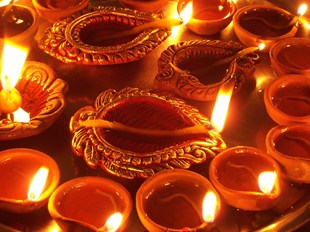
Time, then, is our experience in the changes of light in the darkness.
Our calendar’s purpose becomes a means of communicating this more clearly, as we have shown a diverse array of stories and entire belief systems based on this simple notion.

Let there be light (somehow).
–the Great Mystery
 Rethinking Time